by steve | Aug 3, 2026 | Reports & Findings
If a Phase 1 ESA identifies potential contamination concerns, you usually do not “get a confirmation of contamination” immediately. Instead, the process updates your risk view, may trigger targeted follow-up (Phase 2 or limited investigative steps), and helps...
by steve | Aug 3, 2026 | Regulations & Compliance
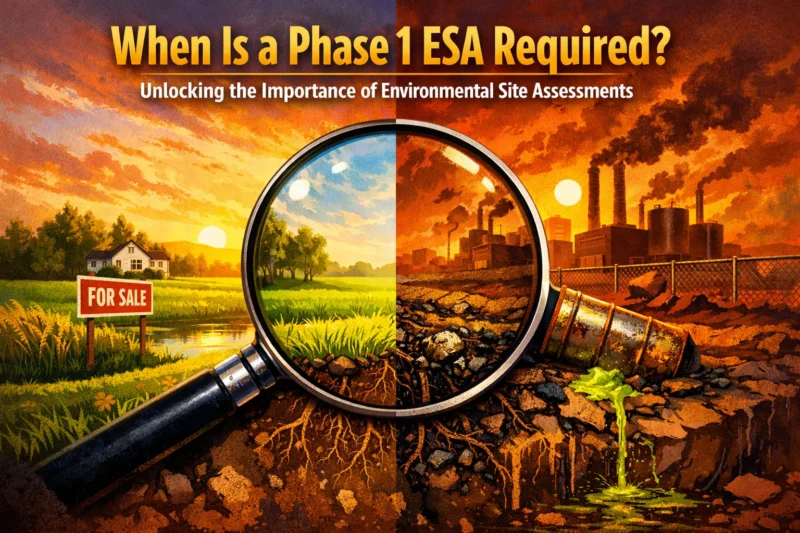
In most real estate and lending transactions, a Phase 1 ESA is required when the deal structure, contract language, lender or investor underwriting policies, or applicable regulations call for baseline environmental due diligence. But “when is a phase 1 ESA required”...
by steve | Aug 3, 2026 | Phase 1 Process
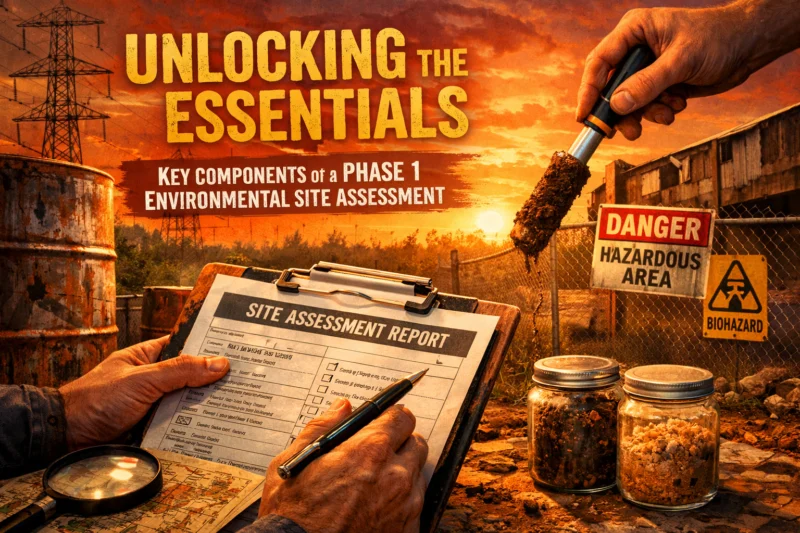
To understand what belongs in the “key components” of a Phase 1 Environmental Site Assessment, you should look for a defensible chain of evidence: a structured records review, targeted interviews, and documented site reconnaissance—ending with clear conclusions about...
by steve | Aug 3, 2026 | Phase 2 ESAs
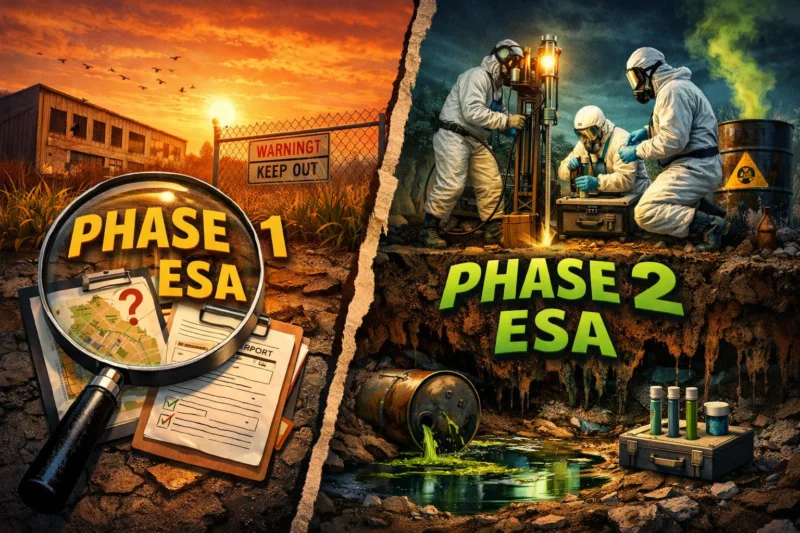
The practical difference between Phase 1 and Phase 2 Environmental Site Assessments is simple: Phase 1 identifies potential historical and current conditions that may indicate contamination, while Phase 2 confirms, quantifies, and delineates suspected issues through...

by steve | Aug 3, 2026 | Phase 1 Process
Technology is changing Phase 1 environmental site assessments by improving how evidence is located, organized, mapped, and documented—so conclusions are more traceable, defensible, and easier to explain. In practice, technology used in phase 1 environmental site...
