by steve | Aug 3, 2026 | Phase 1 Process
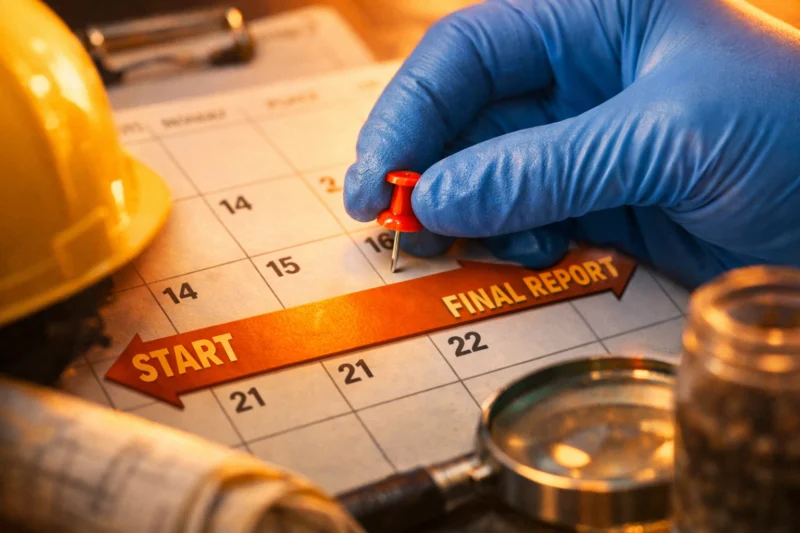
Most Phase 1 Environmental Site Assessments (ESAs) are completed in roughly 2–6 weeks after kickoff, but the answer depends on what “completion” means—especially whether the assessor has all records needed to finalize conclusions and QA the report. In practice, the...

by steve | Aug 3, 2026 | Phase 1 Process
Phase 1 ESA failures usually mean the report could not support the decision it was supposed to—triggering stakeholder rejection, forced rework, or an escalation to Phase 2. In practice, that disappointment often traces back to common phase 1 ESA mistakes that break...

by steve | Aug 3, 2026 | Phase 1 Process
Integrating a Phase 1 ESA into due diligence isn’t just about getting a report—it’s about timing the work so findings influence deal structure and ensuring accuracy so stakeholders can rely on the conclusions. When teams run the phase 1 ESA due diligence process too...
by steve | Aug 3, 2026 | Phase 1 Process
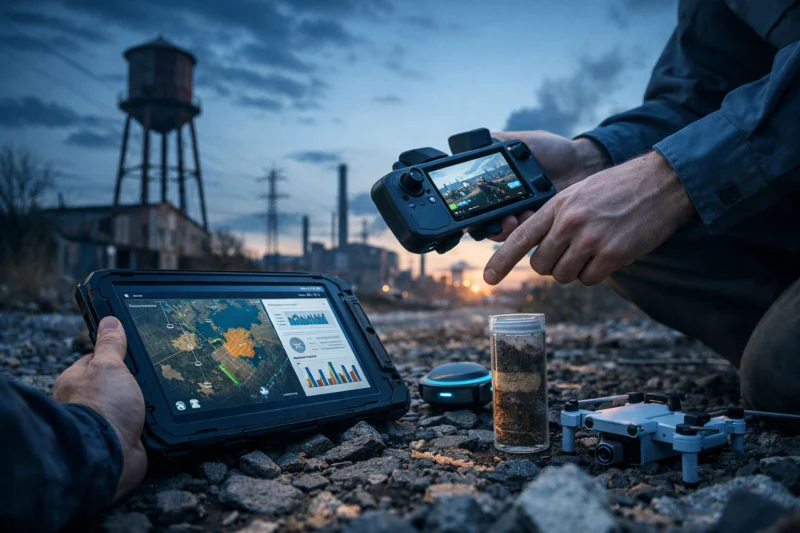
Technology is changing Phase 1 environmental site assessments by improving how evidence is located, organized, mapped, and documented—so conclusions are more traceable, defensible, and easier to explain. In practice, technology used in phase 1 environmental site...
by steve | Aug 3, 2026 | Phase 1 Process
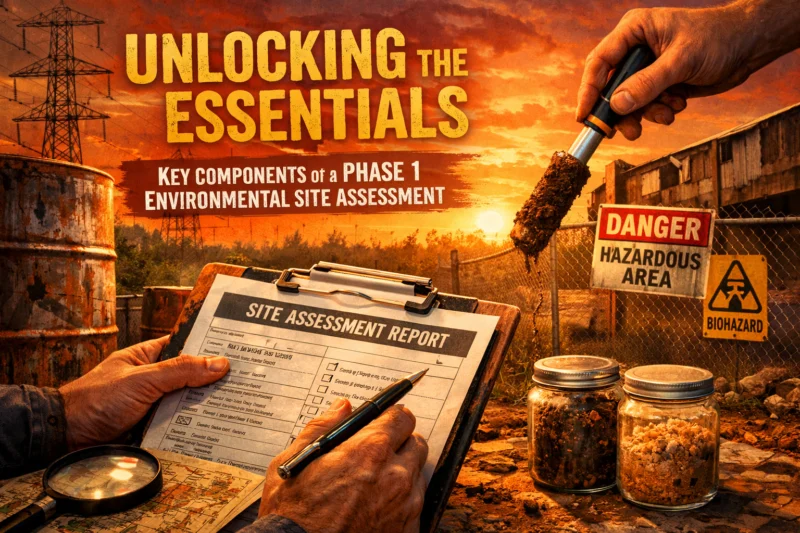
To understand what belongs in the “key components” of a Phase 1 Environmental Site Assessment, you should look for a defensible chain of evidence: a structured records review, targeted interviews, and documented site reconnaissance—ending with clear conclusions about...
by steve | Aug 3, 2026 | Phase 1 Process
A Phase 1 Environmental Site Assessment is done to “unlock” the environmental story of a property for smarter, defensible decisions—before anyone digs, installs wells, or confirms contamination. At its core, it structures how qualified professionals review records,...
