
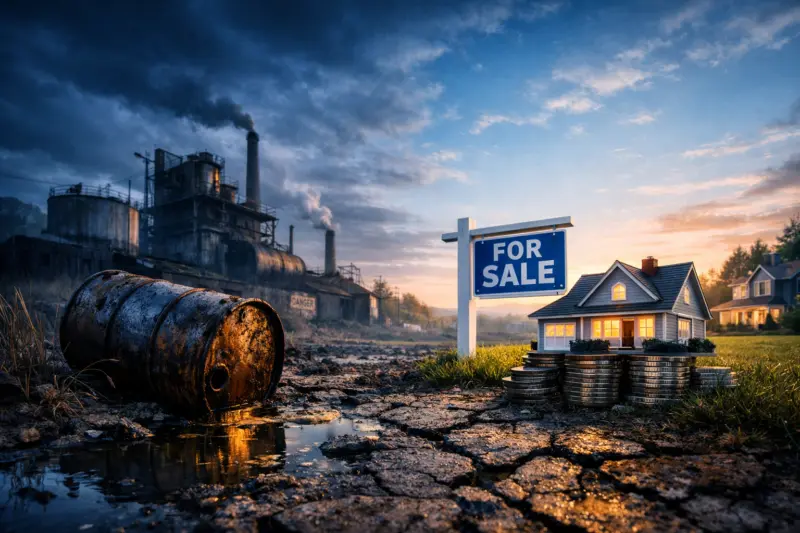
A Phase 1 Environmental Site Assessment can raise or protect commercial property value by clarifying environmental risk early. It often affects how buyers and lenders price uncertainty, request concessions, or require Phase 2 testing. That is why the phrase Phase 1 Environmental Site Assessment Property Value shows up in searches before purchase, sale, financing, or development.
Environmental issues like contamination history, recognized environmental conditions (RECs), and past land uses can shift negotiations fast. Conversely, a well-supported “no RECs” or “low concern” result can reduce friction. As a result, offers may hold steady, underwriting may proceed smoothly, and the deal may avoid cost growth later.
This guide explains how Phase 1 findings flow into appraisal narratives, lender terms, and transaction outcomes. You will also learn how to interpret RECs, when Phase 2 is likely, and how to protect value with the right scope and contracting. The focus is commercial real estate, where environmental risk affects both dollars and confidence.
Why Phase 1 results can change commercial property valuations before sampling begins
Phase 1 can affect property value because it changes perceived liability risk. Even without invasive sampling, the report shapes what counterparties think might be on the site. Therefore, it can move price even when the property appears clean today.
In practice, Phase 1 results influence market value through a chain reaction. First, the findings alter buyer and lender confidence. Next, that confidence affects underwriting assumptions, appraisal adjustments, and negotiation posture. As a result, the same building can trade at different prices depending on how environmental uncertainty is framed.
Phase 1 is a research-and-observation screen, not a cleanup design. It typically includes a review of historical records, interviews, and site reconnaissance. However, risk perception still matters, because the Phase 1 establishes what is known, what is suspected, and what must be checked next. That is where value impacts often start.
It also matters that not all RECs carry the same weight. Some findings are tied to documented closures, limited migration pathways, or distances from sensitive structures. Others suggest conditions that could plausibly impact soil or groundwater. In real deals, counterparties treat these scenarios differently.
Here is a common real-world edge case. Suppose a Phase 1 flags a REC from a long-closed former use, but the report shows no releases, no regulated status indicators, and no current staining. A buyer may still request a small contingency, but a lender may accept the risk with conditions. Meanwhile, a different lender could require Phase 2 if documentation gaps exist.
Another common misconception is to treat Phase 1 as a pass-or-fail guarantee. It is not. Instead, it helps stakeholders decide how much uncertainty they must price. For broader context on environmental due diligence expectations, many professionals reference ASTM E1527-21 and related guidance in their workflows.
Interpreting RECs, historical uses, and site observations in a value-focused way
RECs matter for value because they signal potential pathways to future costs. The label can trigger Phase 2 testing, escrow terms, or tighter underwriting conditions. Therefore, the way a REC is supported affects how buyers price the property.
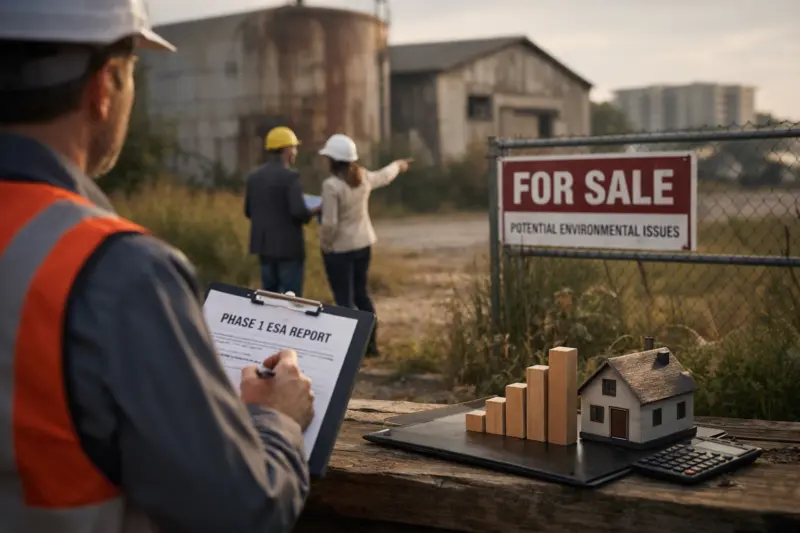
A Phase 1 identifies RECs by connecting evidence to plausible release scenarios. Evidence often comes from agency records, historical aerials, map reviews, and interviews with people who know the site. Site observations add another layer by showing current conditions that match or contradict history. This matters because counterparties do not evaluate the label alone. They evaluate the narrative behind it.
Historical uses are a major value lever. A former industrial facility, a dry cleaning site, or a gas station history can change assumptions about soil vapor, contamination migration, and redevelopment constraints. Landfills, unpermitted disposal, and waste handling practices can increase uncertainty. Meanwhile, past uses that are well-documented as closed and addressed may not reduce value as much, especially if the report explains why.
How stakeholders interpret findings can also diverge. A buyer may view a REC as manageable with a targeted confirmatory Phase 2. A lender may view the same REC as a higher risk to collateral and might require additional documentation or covenants. As a result, negotiation often depends on who is driving the risk lens.
Here is the nuance that weaker reports miss. Two Phase 1 ESAs can both “identify RECs,” yet still lead to different value outcomes. The difference is the strength and clarity of the evidence. Clear mapping, consistent interviews, and well-explained assumptions can reduce friction and limit concessions.
Also remember the uncertainty concept: evidence of absence is harder than absence of evidence. If records are incomplete or older, a Phase 1 may not prove there was no impact. That uncertainty can still reduce price, even when no contamination is documented. For decision-making support, many buyers and lenders align with the risk-based thinking described by U.S. EPA guidance on Brownfields and similar public frameworks.
How Phase 1 findings show up in offer price, contingencies, and lender underwriting
Phase 1 findings can directly influence the offer price through price reductions and risk-based contract terms. Buyers often convert environmental uncertainty into dollars and dates. Therefore, even small concerns can produce real negotiation changes.
One common path is a price adjustment plus a contingency. For example, the buyer may request a reduced price with a “Phase 2 on a schedule” condition. Alternatively, the buyer may keep price steady but require seller credits for a defined set of follow-up costs. In other deals, parties use escrow or indemnity provisions tied to specific findings.
Lenders also respond to Phase 1 outcomes during underwriting. Many lenders treat environmental risk as something to manage before finalizing loan terms. That can mean requiring the Phase 1 report early, requesting clarification, or imposing conditions for closing. It can also mean additional covenants about disclosure, reporting, or future testing.
Appraisals can reflect this risk as well. Environmental concerns can affect marketability, absorption expectations, and “highest and best use” assumptions. The adjustment is not always about physical contamination. It is often about how uncertainty limits the buyer pool or delays redevelopment planning.
Here is a real-world scenario. A commercial property near a former fuel distribution area receives a Phase 1 with one moderate REC. The lender may accept the loan with a Phase 2 condition, but only after review of the Phase 1 evidence and proposed next steps. The buyer may then negotiate for a narrower Phase 2 scope to keep schedules intact.
Another nuance is third-party influence. The consultant’s recommended next actions can shape how counterparties price uncertainty. If recommendations are targeted and explain why they match the specific REC, counterparties may accept them as reasonable. If the recommendations are broad or vague, stakeholders may assume higher risk and demand more concessions.
A step-by-step decision path to protect value when Phase 1 raises concerns
You can protect value by turning Phase 1 findings into a focused plan, not a broad alarm. The goal is to match next steps to the specific uncertainty the Phase 1 identifies. Therefore, decision discipline matters as much as the report itself.
Start with the Phase 1 scope and assumptions. Read what the consultant did and did not cover. Then identify what the RECs actually imply for receptors, like buildings, foundations, and utilities. Next, decide whether the question is “Is there a potential issue?” or “Is there likely impact that needs confirmation?”
From there, evaluate Phase 2 triggers using context. Proximity to current structures matters. So does whether evidence points to likely releases or only potential conditions. Regulatory status clues, like documented closure or active oversight, can also change how stakeholders view the risk. In addition, look for consistency between records and site observations.
When negotiating, tie any Phase 2 scope directly to the REC’s uncertainty. Avoid broad testing that expands cost and delays. Instead, ask for a confirmatory Phase 2 workplan that targets the plausible release pathway. For example, if the Phase 1 suggests limited concern near one building footprint, a targeted approach can preserve value.
Also protect both sides in contract language. Sellers may want limits on buyer access, defined deliverables, and a cap on contingency cost exposure. Buyers may want clear deadlines, required consultant qualifications, and a defined decision framework. When scope alignment is missing, deals can stall even if the technical risk is similar.
A common edge case is mismatch between what the lender expects and what the buyer requests. Sometimes a lender wants specific documentation that the buyer did not prioritize. If the Phase 1 recommendations do not match the lender’s expectations, you can get “value friction” late. That friction can reduce leverage and force re-trading.
Common mistakes that distort how Phase 1 affects Phase 1 Environmental Site Assessment Property Value
Many value swings come from interpretation and reporting mistakes, not from the underlying site facts. When stakeholders misread limitations or overreact to the REC label, price outcomes can become unfair. Therefore, report quality and clear communication are part of value protection.
One major mistake is treating Phase 1 like a contamination guarantee. It is not. If you price the deal as if contamination is proven, you may lose leverage. Conversely, if you ignore evidence gaps, you may enter financing with surprises. Either way, the value impact can be larger than necessary.
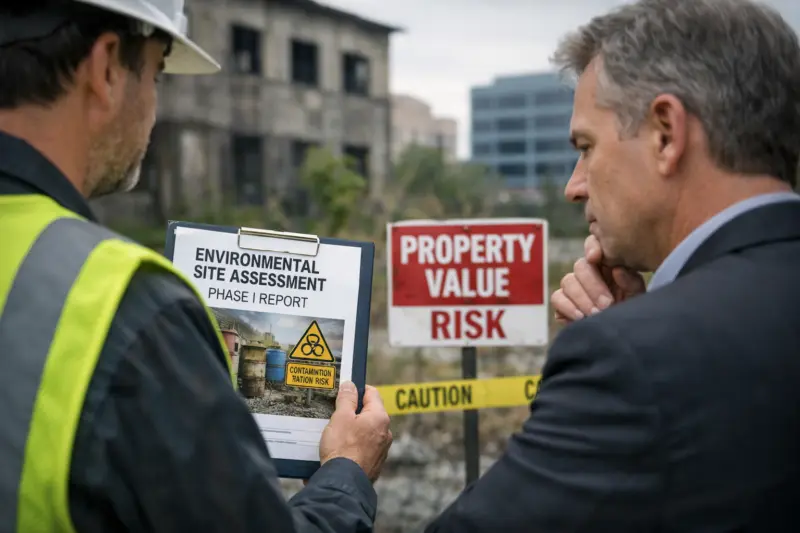
Another pitfall is ignoring report quality signals. Lenders often scrutinize missing appendices, unclear assumptions, or insufficient background. If the report does not explain why a finding is a REC, stakeholders will not trust the conclusion. As a result, they may require Phase 2 even when the technical concern is modest.
People also focus too narrowly on “REC exists” versus “how strong is the support.” Context matters. A REC based on credible, recent records often carries different weight than a REC driven by older, less complete information. Proximity to structures and match-to-observation signals also matter for practical risk.
Timing is another subtle value distortion. If you share Phase 1 results late, lenders and appraisers may react with tighter terms. They may also reduce flexibility on closing deadlines. Meanwhile, a buyer who had time to plan Phase 2 can negotiate in a calmer and more structured way.
Finally, do not assume that “we will clean later” removes value impact. Uncertainty costs money today. Delays can affect lease-up, renovation schedules, and investor perception. Even planned remediation can reduce financing appetite if the schedule and budgeting are unclear.
When alternative due diligence steps still affect marketability and financing
Sometimes buyers use alternatives to Phase 1, but marketability still depends on lender and buyer expectations. Many parties view Phase 1 as a baseline risk screen. Therefore, alternatives may help early triage but can fall short for financing.
One common approach is Phase 1 plus targeted follow-up. In this model, the buyer keeps Phase 1 as the foundation. Then they commission supplemental documentation for specific uncertainties rather than broad additional sampling. This can reduce both cost and delay when the Phase 1 flags a narrow question.
Another approach is proceeding to Phase 2 in higher-risk scenarios. This can reduce uncertainty and speed decisions. However, it increases upfront expense and can introduce schedule risk. In commercial deals, that cost-of-delay may affect rent-up and development budgets, which can change the property’s economics before remediation even starts.
Buyers also sometimes rely on existing environmental reports. This can work when the prior work is recent and comparable in scope. It can fail when records are outdated, assumptions differ, or lenders require an update. As a result, the “value benefit” can shrink if underwriting demands a refresh.
Some teams also use early-stage desk reviews to triage risk before paying for a formal Phase 1. This can help prioritize which assets deserve full due diligence. However, it rarely satisfies lender expectations for closing readiness. Therefore, it may improve internal decision-making but not solve external financing requirements.
The nuance is acceptability. Two approaches can produce similar technical outputs. Yet one may be viewed as “equivalent” by lenders and the other may not. That acceptability gap can change how investors and underwriters price the deal.
Why environmental risk can impact appraisal, underwriting, and tenant decisions
Environmental risk can reduce property value even when there is no known contamination. It can affect marketability, leasing assumptions, and lender comfort. Therefore, the effect can show up in appraisal and operating income projections.
In underwriting, the lender may require additional reporting, covenants, or risk controls. The terms can reduce flexibility and shift cash flows. Even if the property’s physical condition is strong, requirements tied to environmental uncertainty can constrain the borrower’s leverage.
Appraisers may also adjust for how buyers perceive future costs and restrictions. Environmental findings can influence demand, buyer pool size, and time-to-sale assumptions. In addition, they can affect “highest and best use” reasoning for redevelopment. As a result, the value impact can be indirect but still significant.
Tenant leasing decisions can also change when environmental concerns are disclosed or suspected. Some tenants care about operational restrictions, testing obligations, or perceptions around indoor air and groundwater impacts. If mitigation is needed, lease terms may require clarifications about access, timelines, or disruption risk.
A timeline effect is common in real transactions. If Phase 2 or regulatory engagement is likely, renovations and stabilization can slip. That delay can reduce net operating income during the holding period. Meanwhile, the market often discounts uncertainty, which can increase required returns for adaptive reuse or redevelopment.
An edge case involves asset type differences. A property with an established, stable use may face smaller leasing disruptions from environmental questions. A redevelopment site may face larger value hits because uncertainty blocks planning and permits. That marketability asymmetry affects the discount rate applied to future cash flows.
How report scope boundaries and data quality shape stakeholder expectations
Report scope and data quality affect value because they shape how much stakeholders trust the conclusions. A Phase 1 is only as useful as the evidence behind its RECs. Therefore, the “paper trail” can influence pricing and financing outcomes.
Scope includes what records were searched, who was interviewed, and what site areas were observable. Data quality includes how complete the background is and how well the consultant explains assumptions. If access limitations exist, the report should clearly state them. Otherwise, lenders may assume missing information is risky.
Boundaries also matter for dispute prevention. For example, limited access to portions of the property can leave uncertainty about current conditions. Missing historical details can weaken the explanation for why a REC does or does not apply. In those cases, counterparties may push for Phase 2 to close the gap, which can lower value through cost and timing.
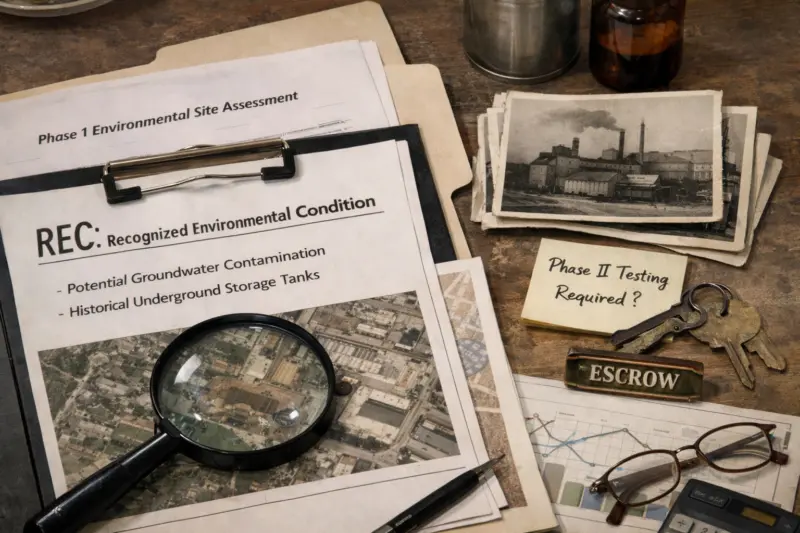
Different audiences use the report differently. Investors often want risk transfer clarity and likely cost exposure. Lenders often focus on conditions precedent and documentation completeness. Appraisers often translate environmental narratives into marketability and time assumptions. Because of these differing lenses, the same report can create different results.
A practical approach is to review the report before sharing it broadly. Look for clarity in REC rationale and limitations language. Confirm that recommendations for further action are specific and tied to the evidence. When stakeholders can see the reasoning, deal friction drops.
Finally, remember that a thorough Phase 1 can preserve value even when minor concerns exist. When the report documents decisions well, it can reduce the need for repeated questions and re-trading. That transactional smoothness often protects price, especially in time-sensitive commercial markets.
Cost and timing expectations for a Phase 1 ESA used in commercial deals
Pricing and timeline for a Phase 1 ESA can influence deal strategy and, indirectly, property value. When due diligence stays predictable, negotiations move faster and financing stays on track. Therefore, understanding cost drivers and turnaround ranges helps you plan negotiations.
Costs vary based on property size, complexity, and records availability. A single parcel with clear history often costs less than multiple parcels or sites with mixed historical uses. Timelines can also shift when records are difficult to obtain or when site access is limited. In addition, the urgency of underwriting cycles can affect scheduling.
Turnaround time often ranges from about one to three weeks, depending on scope and report depth. More complex sites or challenging records can take longer. If the transaction timeline is tight, discuss delivery needs early so the consultant can plan interviews and records requests.
Here is a practical tradeoff to expect. Rushing can lead to gaps or revisions that trigger lender questions. Meanwhile, a slower but clearer report can reduce negotiation friction and preserve value. Your goal is not speed alone. Your goal is a report that lenders and buyers can rely on.
To get a reliable estimate, request a formal quote that breaks down scope assumptions. Ask what is included, like interviews, record searches, and site observations. Then align that scope with what your lender or buyer will need for underwriting.
For a broader policy background on environmental due diligence concepts in the real estate context, the U.S. EPA’s brownfields resources provide helpful framing on how properties and stakeholders manage environmental uncertainty over time, see U.S. EPA Brownfields. While not a pricing guide, it can help you understand why documentation and next steps matter to decision-makers.
Frequently asked questions about how Phase 1 environmental site assessments affect property value
How does a Phase 1 ESA influence commercial appraisal value during a sale?
Appraisers consider environmental uncertainty as part of marketability and risk. Instead of assuming contamination, they weigh likely next steps such as possible Phase 2 testing. If the report suggests higher uncertainty, it can reduce demand or extend time-to-sale expectations.
In many cases, the appraisal impact comes through the narrative on risk. The report may also influence “highest and best use” reasoning, especially for redevelopment. Therefore, the clarity of REC rationale can matter as much as the REC label itself.
What does it mean if the Phase 1 report identifies RECs, and how does that affect negotiation?
RECs mean the consultant found evidence of potential conditions that may pose environmental risk. It does not automatically mean contamination exists, but it flags uncertainty that others must address. As a result, buyers often negotiate contingencies, seller credits, or Phase 2 schedules.
Negotiation changes depend on REC strength and evidence quality. A well-supported REC with clear recommended next steps can lead to narrower concessions. In contrast, unclear documentation can push counterparties to demand broader risk allocation.
Can a “clean” Phase 1 ESA increase buyer confidence enough to improve pricing?
A clean result often reduces perceived liability and can lower lender concerns. That can reduce the need for contingencies and make offers more competitive. Therefore, it can help protect pricing in markets where buyers are sensitive to risk.
However, “clean” still depends on scope and limitations. If the report shows strong records coverage and clear assumptions, counterparties may accept it quickly. If access limits existed, some buyers may still price uncertainty anyway.
Do lenders require Phase 1 Environmental Site Assessment Property Value evidence before approving financing?
Lenders do not approve based on a single “property value” phrase. Instead, they use the Phase 1 findings to assess environmental risk and potential conditions for closing. For underwriting, they often require the report and may request clarification of recommendations or limitations.
In commercial lending, the Phase 1 can become a condition precedent. Therefore, lenders may expect it to be complete, well-documented, and consistent with their risk review process.
What should buyers do immediately after receiving a Phase 1 ESA with potential contamination concerns?
First, buyers should review the RECs and the evidence supporting them. Next, they should read the report’s assumptions and limitations carefully. Then they should ask targeted questions about whether Phase 2 is warranted and what scope would address the specific uncertainty.
Buyers should also share the report with lenders early if financing is involved. That timing helps prevent late underwriting surprises that can force renegotiation. Finally, buyers should compare the proposed next steps against their deal schedule.
How long is a Phase 1 ESA valid for a commercial real estate transaction?
There is no single universal “expiration” date that fits every lender and every deal. Validity often depends on how long ago the records were reviewed and whether conditions could have changed. Lenders may still request updates if the report is older than what their process expects.
If underwriting is tight, outdated reports can trigger a refresh. Therefore, plan the report timing to align with your financing timeline and expected closing date.
What happens to property value if Phase 2 testing confirms contamination?
Confirmed findings usually increase expected remediation costs and can add restrictions or ongoing obligations. That can reduce property cash flow and affect sale pricing. Therefore, value often drops further beyond what Phase 1 alone suggested.
Negotiations then shift toward remediation budgeting, timelines, and contract risk allocation. Buyers may renegotiate the price or request escrow for defined remediation scope. Lenders may require covenants or proof of cleanup planning.
Why do two Phase 1 ESAs sometimes lead to different conclusions on the same commercial property?
Differences often come from scope and data limitations. One report may include more robust records searching, interviews, or site observations. Another report may rely on assumptions that the other consultant treats differently.
Reporting style and interpretation can also affect whether a condition is labeled as a REC. Therefore, stakeholders should compare evidence types and limitations, not only the final REC count.
What environmental findings most commonly reduce the marketability of commercial properties?
Findings that suggest plausible release pathways tend to reduce marketability. Common examples include certain historical uses that involve waste handling or fuels. In addition, records tied to potential groundwater impact can raise underwriting concerns.
Even when contamination is not confirmed, the uncertainty itself can limit buyer pools. Therefore, the market reacts to risk of further testing, possible remediation, and potential restrictions.
What costs and delays should be budgeted when a Phase 1 ESA suggests moving to Phase 2?
Phase 2 costs vary based on what the Phase 1 flagged and how complex the testing needs to be. You may also face costs for consultant planning, sampling, lab work, and reporting. Timelines can stretch when drilling access is difficult or when regulatory coordination is needed.
Besides testing expense, delays can affect leasing schedules and development planning. Therefore, budget for decision time too, including lender review and contract amendments tied to Phase 2 results. If you negotiate a phased approach early, you can reduce surprises.
Conclusion: how Phase 1 findings become value outcomes and what to do next
Phase 1 findings shape perceived environmental risk, and that risk feeds into price, contingencies, and financing terms. Therefore, your property value outcome often depends on how the Phase 1 turns evidence into clear recommendations. When the report is well supported, it can protect marketability and reduce deal friction.
Interpretation matters too. RECs and historical context do not impact value the same way in every deal. Report scope boundaries, limitations, and evidence strength can change how buyers and lenders respond. As a result, a strong Phase 1 can preserve leverage even when minor concerns exist.
The practical next step is to align environmental next steps with your underwriting reality. Review the Phase 1 scope early, ask targeted questions about REC meaning, and decide whether Phase 2 is worth it. Then structure negotiation and contracts around the specific uncertainties you need to resolve. That disciplined approach helps protect value and supports smoother closings when lenders review environmental risk.
Updated September 2026